
Choosing to invest in digital security is no longer a simple precaution for modern enterprises. It is a vital, forward-thinking requirement. Within this broader protective strategy, the System Vulnerability Assessment stands as a primary diagnostic tool. This structured evaluation is designed to find, catalog, and evaluate weaknesses within your IT environment. Opting for a regular and thorough vulnerability assessment is one of the smartest security investments you can make to protect your operations.
The technology world is perpetually shifting, with fresh software flaws discovered continually. Hackers target look at these guys openings to steal sensitive information. Relying solely on conventional security measures creates a dangerous false sense of security. A formal vulnerability scan cuts through this misleading assurance by providing an unbiased, external perspective of your organization’s real risk level. It transforms cybersecurity from an abstract concern into a concrete, manageable plan of issues that need resolution.
The primary and most compelling reason for choosing a vulnerability assessment is proactive risk management. Instead of waiting for a breach to occur, you are deliberately hunting for weaknesses before they can be exploited. This shift in mindset is invaluable for organizational resilience. Assessments thoroughly examine servers, workstations, and software against databases of known vulnerabilities, such as the Common Vulnerabilities and Exposures (CVE) list. This process reveals missing security patches that act as low-hanging fruit for criminals.
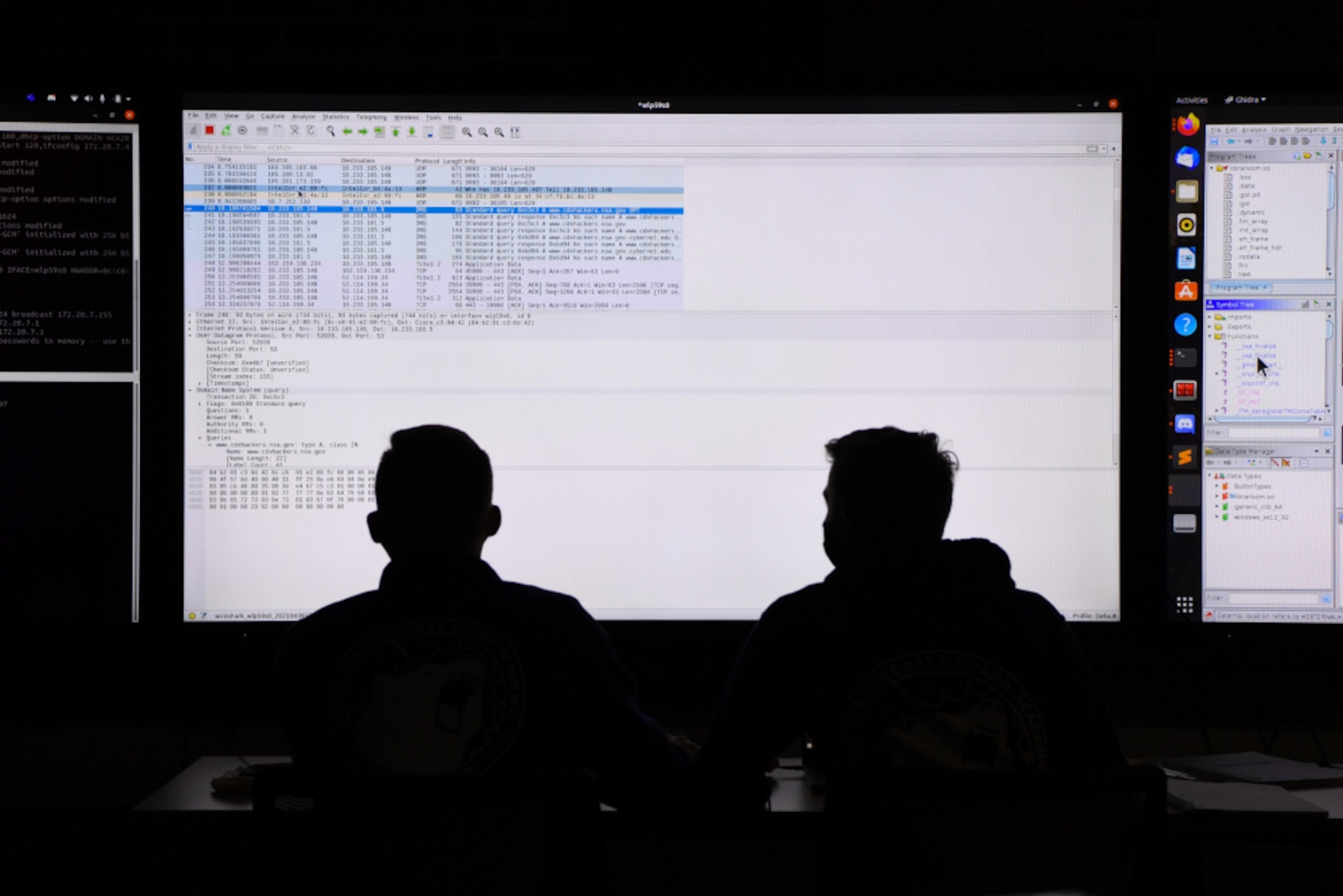 Beyond mere identification, a high-quality assessment provides the vital context of prioritization. Not every vulnerability carries the equal danger. A competent analyst will not just list findings but will triage them based on criticality. They consider factors like the public availability of an exploit, the criticality of the business function, and the possible damage from an incident. This contextual analysis ensures that your available staff time are allocated to the most critical fixes first, addressing the issues that could cause the largest financial loss.
Furthermore, conducting periodic security scans is often a central component of regulatory mandates. Numerous regulations and standards, such as HIPAA for healthcare information, clearly require that organizations carry out ongoing risk assessments. Choosing to adopt a formal scanning schedule directly supports your certification audits. It generates the essential records and logs that prove proactive risk management to auditors, regulators, and partners. This can shield the organization from liability and uphold brand integrity.
The cost-benefit analysis of testing is also highly persuasive. The expense of a scheduled security scan is typically a tiny fraction of the devastating financial impact of a successful attack. Breach costs include substantial funds for customer notification and credit monitoring, as well as incalculable losses from downtime and erosion of customer loyalty. An assessment acts as a cost-effective form of insurance, helping you spend your defense dollars effectively by preventing catastrophes before they start.
Ultimately, choosing a System Vulnerability Assessment is a demonstration of responsible leadership. It moves your organization from a posture of hopeful uncertainty to one of verified security. It empowers your management with accurate risk data. The resulting findings offer a blueprint for remediating vulnerabilities, allowing you to methodically enhance your protections continuously. In a world where cyber threats are a constant, the decision to proactively test your defenses is not just a niche administrative duty. It is a core operational responsibility that secures your data, your customers, and your viability.

